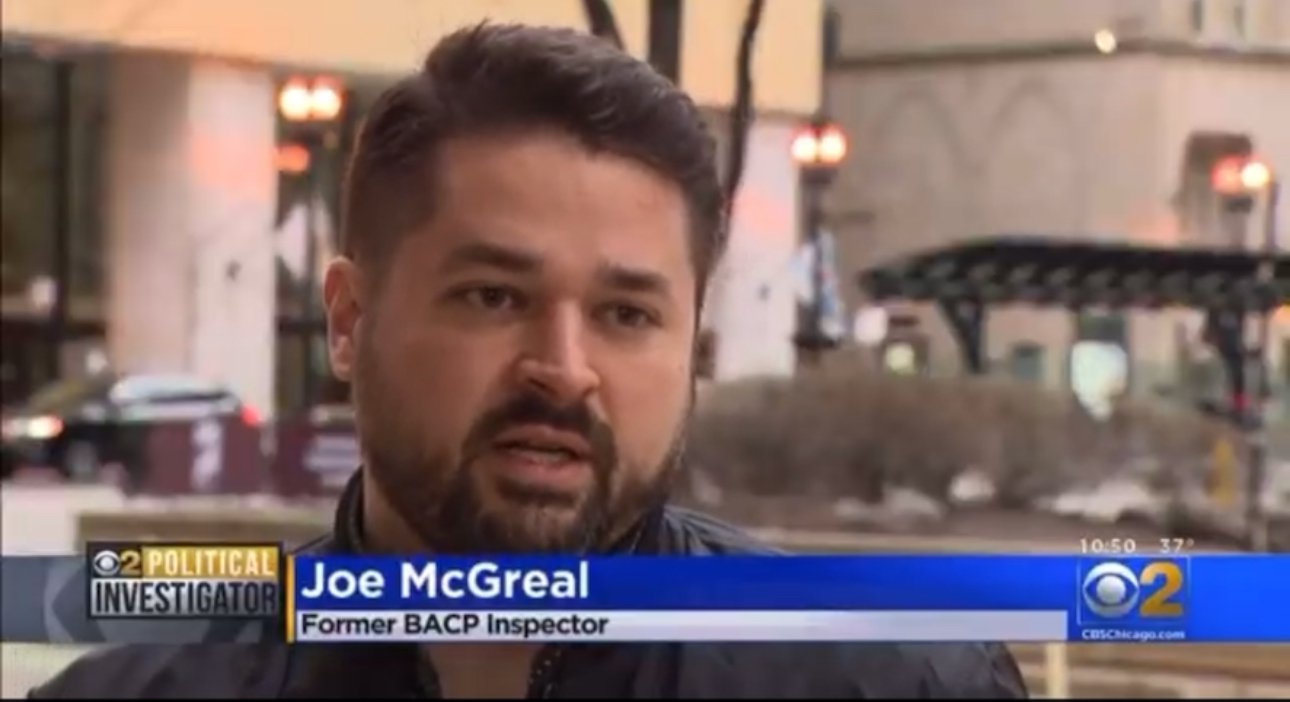
Joseph McGreal
Principal Intelligence Strategist

Joseph McGreal is the Founder and Principal of PCI, a Chicago-based strategic advisory and litigation intelligence practice serving law firms, private principals, boards, and institutions.
He is retained on matters involving complex litigation and corporate disputes where outcomes must withstand scrutiny.
He has more than 25 years of experience focused on litigation intelligence and strategic investigations, including sensitive political, reputational, and regulatory matters.
Born and raised in Chicago, he has worked throughout the city at the intersection of business, government, and private interests.
His engagements have included high-stakes disputes, strategic political intelligence, and confidential corporate inquiries.
He is a licensed private detective in the State of Illinois, holds a Master of Business Administration from DePaul University and a Master of Public Administration from Governors State University. He is a member of the Chicago Revenue Investigators Lodge 279.
Engagements are selectively accepted and governed by three principles:
Integrity without exception.
Discretion without compromise.
Execution without delay.

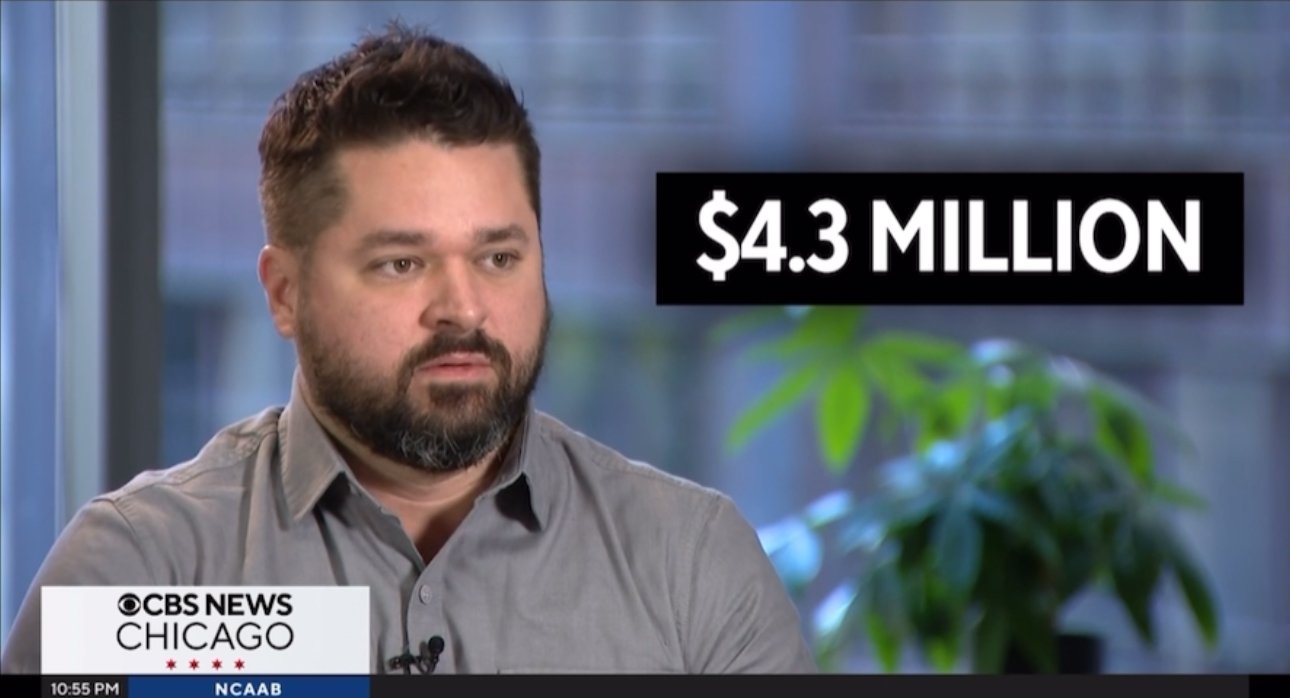
The Principal’s Perspective:
A Conversation with Joseph McGreal
What was the foundational moment for the firm?
McGreal: Early in my career, I was recruited by a representative of a prominent Chicago family. After a series of exhaustive screenings, I was introduced to the matriarch herself. She invited me into their inner circle to anticipate vulnerabilities and protect their private interests. That engagement redefined my mission. It shifted the focus from reactive measures to proactive protection, the core principle upon which PCI was built.
How do you define the role PCI plays for its clients?
McGreal: We operate as a private intelligence and strategic advisory. Our work is centered on three pillars: neutralizing risk, limiting exposure, and facilitating optimal outcomes. We provide the intelligence necessary for executive leadership to make informed decisions in high-stakes environments.
How does PCI integrate with a client’s existing legal team?
McGreal: We serve as an extension of the client’s professional infrastructure. While we do not provide legal advice, we provide the strategic intelligence that legal counsel requires to achieve their objectives. Our role is to preserve discretion and secure a strategic advantage, providing decision-makers with a broader range of options.
What is the optimal window for engagement?
McGreal: Ideally, before a matter becomes a crisis. When a situation becomes public, the number of favorable outcomes diminishes rapidly. Early engagement allows us to establish control, manage the narrative, and engineer a resolution that withstands scrutiny.